Skip to content

Idler

  • Idle Thoughts
  • Retreats
  • Academy
  • Shop
  • Events
    • Events
    • Idler Festival
    • Calendar
  • About
    • About Us
    • FAQ and Knowledge Base
    • Where to buy
    • Sample Issue
    • Patrons
  • Login
    • My Online Courses
    • Audio
    • Video
    • Digital Edition
    • My Details
    • My Orders
  • Subscribe
Get Free Newsletter

Gwynne’s Grammar Tip No 2

N. M. Gwynne | 29 Sep 2014 | Grammar

Today Mr Gwynne teaches us the definitions of a sentence, a clause and a phrase.

A sentence is most comprehensively defined as: a word or group of words expressing a complete statement, wish, command or question, whether as a thought, or in speech, or in writing. The written sentence can be defined much more simply, and just as accurately, as: a group of words ending in a full stop, an exclamation mark or a question mark.

Examples illustrating the first definition:

Statement: ‘I love learning about grammar.’ Wish: ‘Long live the Queen!’ Command: ‘Do this homework for tomorrow.’ Question: ‘May I please have some more homework to do?’

A clause is a group of words with a verb in it. It is derived from the past participle, ‘clausus‘, of the Latin ‘claudere‘, meaning ‘to shut’. A clause is an enclosed group of words, complete with its own subject and predicate (both of which are defined almost immediately below).

And while we are about it, a phrase is a group of words without a verb in it. Examples of phrases are ‘in this room’, a group of three words which together can take the place of the adverb ‘here’; and ‘at this time’, which can take true place of ‘now’.

As can be seen from the definitions of ‘clause’ and ‘sentence’ given above, a clause may also be a sentence and a sentence may also be a clause. They need separate definitions, however, because (a) a clause can also be only part of a sentence, and (b) a sentence can consist of several clauses.

HERE ENDS THIS WEEK’S LESSON

Gwynne’s Grammar is published by Ebury Press
You must be logged in to comment on this article.

For unlimited site access, join us as a member here or login

Share: Facebook | X | Email


Idler Logo

Join the Idler's mailing list for free

“Tom’s newsletters offer me the chance to learn about everything that really matters and a respite from what we are told really matters – like working hard for your boss,”
Dominic West

Previous Article Back Next Article

Related Items

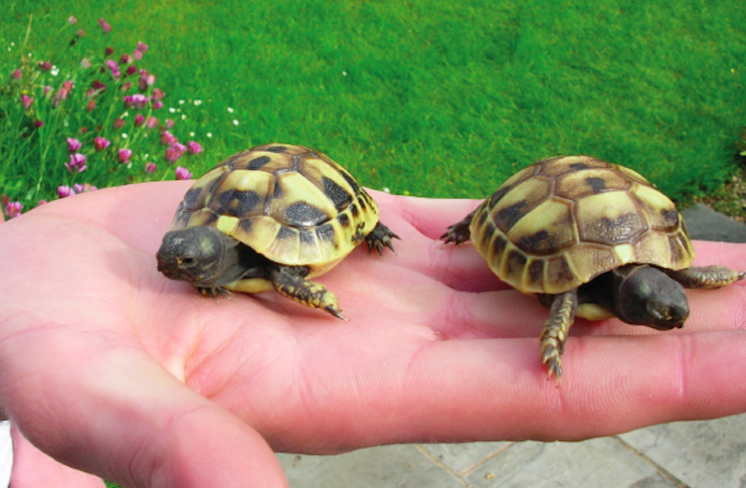
What the Tortoise Teaches Us

Andrew Quayle | Archives

“A tortoise is never euphoric nor miserable. It is stoically content”

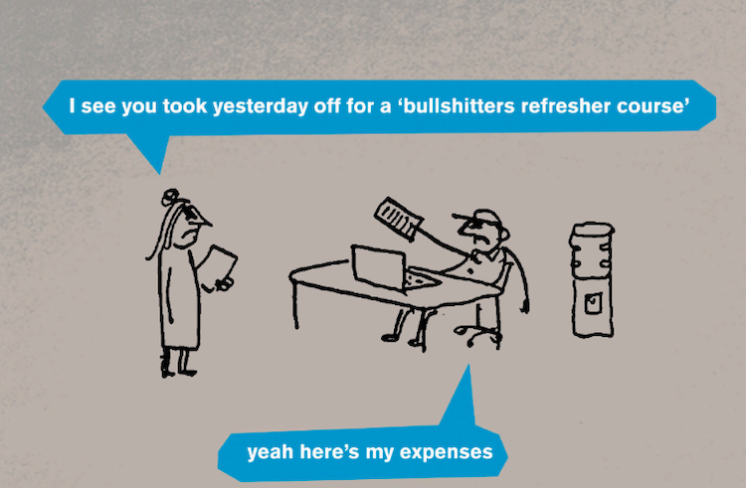
Cartoon by Modern Toss

Modern Toss | Cartoon

Plus: release your inner cartoonist with the Idler Academy

Skateboarding Is not a Sport

Thom Callan-Riley | Idler Magazine

Thom Callan-Riley visits the Slow Impact weekender in Phoenix, Arizona

  • Idler
  • About
  • Join the Idler
  • My Account
  • Calendar
  • Digital Edition
  • Audio Channel
  • Online Courses
  • Events & Talks
  • Newsletter Sign Up
  • ADVERTISE
  • FAQ and Knowledge Base
  • Sample Issue
  • Where to Buy the Idler
  • Buy Back Issues
  • Contact
  • Terms and Conditions
  • Privacy Policy

Great Western Studios, 65 Alfred Road, London W2 5EU

©2026 The Idler

Idler Logo

Join the Idler's mailing list for free

“Tom’s newsletters offer me the chance to learn about everything that really matters and a respite from what we are told really matters – like working hard for your boss,”
Dominic West